


Solar Power Is Generating More Leads Than Ever Before
Energy is a cornerstone of modern life, playing a vital role in everything from powering our homes to enabling the functioning of critical industries and technologies. It is an integral part of daily American life, enabling everything from lighting homes to charging mobile devices, operating appliances, and fueling transportation. Without access to electricity, our ability to work, communicate, or even perform basic tasks would be severely limited. This is why electricity is regarded not as a luxury, but as a necessity. It is a utility that powers the devices, machines, and technologies that enable modern life to function, and its reliability is central to our economic and social systems. Businesses across every sector depend on uninterrupted electricity, from small offices to large manufacturing plants, and entire industries would grind to a halt if power were suddenly lost.
Hospitals and healthcare facilities, in particular, highlight the critical nature of electricity. Hospitals rely on power to operate life-saving equipment, monitor patients, and provide essential medical services. In emergency situations, the availability of electricity can be the difference between life and death, making it an essential element in ensuring the wellbeing of society.
The importance of energy generation in the United States is reflected in the diverse ways in which the country produces electricity. Over the years, the U.S. has transitioned through different generations of power sources, from the early days of coal-fired power plants to the use of natural resources like water in hydroelectric dams. The discovery and subsequent use of nuclear power further expanded the range of electricity sources, providing a powerful, although controversial, option for large-scale energy production.
Today, the U.S. energy landscape is more diverse than ever. Traditional sources like coal and natural gas remain important, but renewable energy technologies have made significant strides in recent decades. Wind power, which harnesses the energy of the air currents, has seen rapid growth, particularly in states with expansive rural landscapes. Similarly, solar power has become increasingly efficient and widespread, with solar panels installed in homes, businesses, and even large-scale solar farms. Despite challenges in storage and intermittent supply, solar and wind have become crucial components of a cleaner, more sustainable energy mix.
Moreover, advancements in energy storage, smart grids, and microgrids have made it possible to better manage renewable energy’s intermittent nature, improving reliability and integration with the existing grid. As research continues into next-generation energy technologies, including the potential for nuclear fusion, the possibilities for cleaner, more efficient, and sustainable electricity generation are expanding.
Energy generation in the U.S. has come a long way from its humble beginnings. What started with burning coal and harnessing water power has evolved into a highly complex and diverse system. With technological advancements, particularly in renewable energy, the nation is increasingly focused on reducing its environmental impact while meeting the ever-growing demand for energy. As new methods of generating power emerge, the importance of energy in supporting modern infrastructure and ensuring the quality of life for millions of Americans cannot be overstated.
Coming Into Its Own
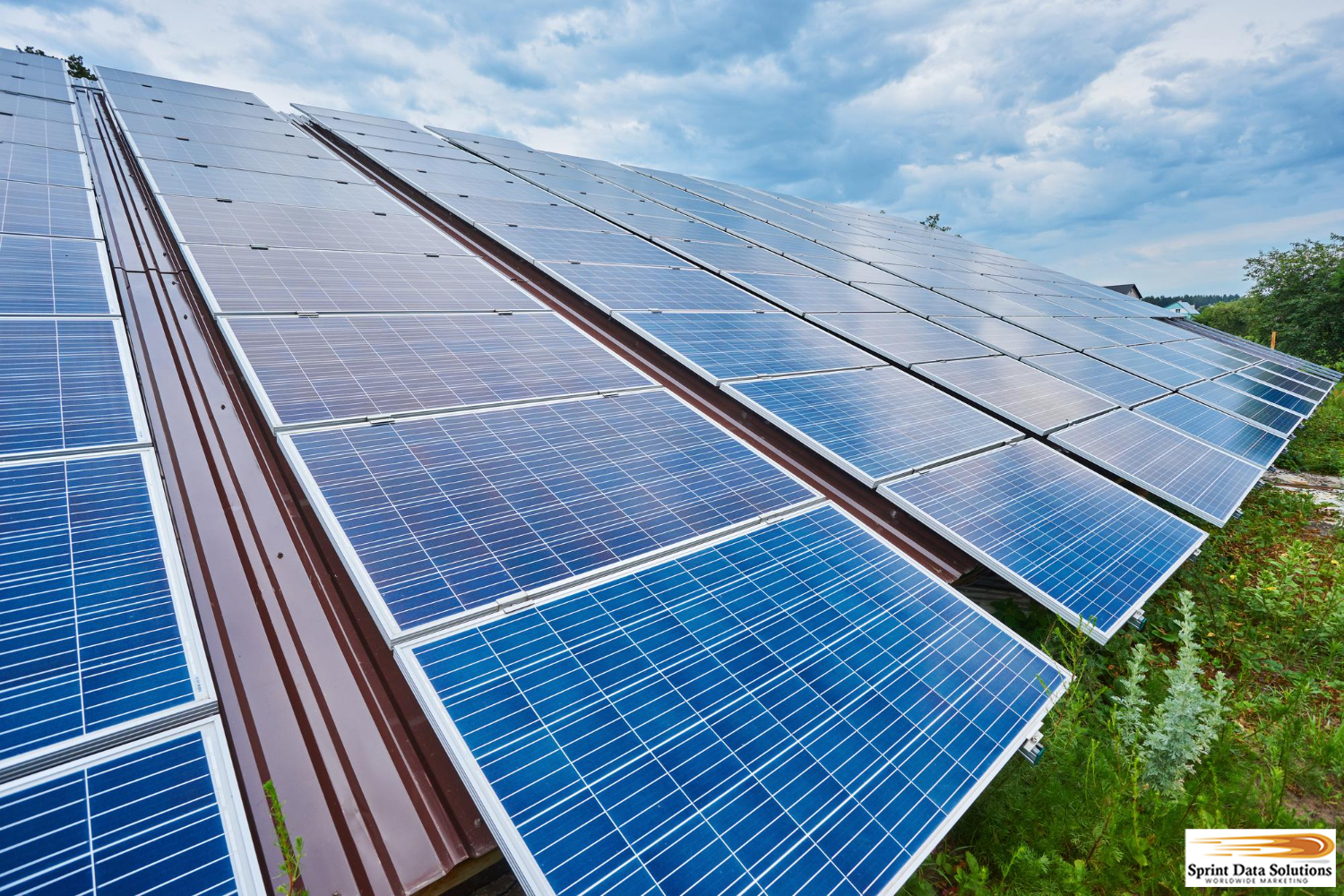
Solar power has evolved significantly from its early days, transitioning from a niche source of energy to a viable solution for both small-scale and large-scale applications. While the concept of solar energy isn’t new, its development has made immense strides over the decades. In the 1980s, solar cells were primarily used for small devices like calculators, providing modest amounts of energy. These early solar cells, though functional, were far less efficient than what we have today. Back then, generating large quantities of electricity from solar energy required substantial infrastructure, with solar farms needing vast expanses of land to accommodate large arrays of panels. These fields often included advanced technologies such as motorized mirrors to focus sunlight on the panels, significantly increasing the complexity and cost of solar power generation. Early solar farms were primarily situated in regions with abundant sunlight, such as the deserts of California, where land was plentiful and ideal for large-scale installations.
However, the landscape of solar energy has undergone dramatic changes. Thanks to technological advancements, modern solar panels have become far more efficient and compact, allowing for greater energy generation with smaller surface areas. Breakthroughs in solar cell materials, such as monocrystalline silicon, perovskite cells, and thin-film technologies, have resulted in panels that can convert a higher percentage of sunlight into usable electrical energy. This increased efficiency has made solar power more accessible and practical for residential, commercial, and industrial use. Today, an average-sized home can be outfitted with solar panels on its roof, generating enough electricity to meet the household’s energy needs, with excess power potentially being sold back to the local electrical grid. Many homeowners now benefit from incentives like subsidies or even generate income by supplying surplus power, which is a far cry from the early, highly resource-intensive solar farms. As the technology continues to advance, solar power is expected to play an even more significant role in the global transition toward renewable energy sources, offering a cleaner, more sustainable alternative to traditional fossil fuels.
Solar power has significantly advanced in recent years, becoming a more viable and attractive option for generating “free” electricity once installed. The technology has improved in efficiency, cost-effectiveness, and accessibility, leading to increased adoption by homeowners, businesses, and governments alike. One key factor driving this shift is the growing concern over climate change and the need for sustainable, renewable energy sources. Additionally, the decreasing cost of solar panels and other associated equipment has made it more affordable for a wider range of consumers. Solar power also offers the advantage of energy independence, reducing reliance on traditional power grids and the fluctuations in energy prices. As people become more conscious of their environmental impact and seek ways to lower their energy bills, solar power provides an attractive solution that combines long-term savings with environmental benefits.
A Stable Alternative
One of the most compelling advantages of solar power over traditional forms of electricity generation is the remarkable stability it offers to users. Unlike other renewable energy sources like wind, which are highly dependent on the availability of wind to power turbines, solar power is much more reliable in terms of generation. While wind power can fluctuate based on weather conditions, solar energy systems can still generate electricity even on cloudy or rainy days, albeit at reduced capacity. This ability to provide power consistently, regardless of minor weather variations, gives solar energy a notable edge when compared to other renewable sources that may experience extended periods of inactivity.
In addition to its inherent generation stability, solar power also offers economic reliability, which is increasingly important in today’s unpredictable energy landscape. Properties equipped with solar panels can significantly reduce or even eliminate their dependency on traditional electricity grids. This independence allows homeowners and businesses to cut costs by producing their own electricity, and in many cases, even generate surplus power that can be fed back into the grid, potentially earning credits or payments in return. The economic benefits are further amplified by the fact that solar power is not subject to the price volatility of fossil fuels. Oil, natural gas, and coal prices can be heavily influenced by global events such as geopolitical tensions, trade tariffs, supply chain disruptions, or changes in corporate pricing strategies. Solar energy, by contrast, provides a fixed, predictable cost structure over the lifespan of the system, which appeals to property owners looking to protect themselves from unpredictable energy price hikes and long-term inflation.
Moreover, solar power offers an unmatched level of energy independence. In situations where power outages occur, such as those caused by severe weather, equipment failure, or grid congestion, solar-powered homes and businesses remain unaffected, assuming they have energy storage systems like batteries in place. While traditional grid-dependent properties are left in the dark, solar-powered locations can continue to function seamlessly, with the ability to keep critical systems like lighting, heating, cooling, and communication equipment running. This level of autonomy is especially valuable during prolonged blackouts, as solar energy does not require external fuel sources, unlike backup generators that rely on gasoline, diesel, or other fuels. The energy stored in a battery bank can provide sufficient power for days, offering peace of mind and reducing reliance on costly and less reliable backup systems.
The combination of consistent energy generation, financial predictability, and energy independence makes solar power an increasingly attractive option for both residential and commercial properties. As renewable energy technology continues to improve and the global market for fossil fuels becomes more volatile, solar power’s appeal will only continue to grow, providing individuals and businesses with a more sustainable and resilient way to meet their energy needs.
It’s Not Just Homes
While solar panels have become a popular energy upgrade for private residences, businesses can reap even greater rewards from this sustainable power source. The shift to solar energy offers numerous advantages, including long-term cost savings, reduced reliance on grid electricity, and a positive environmental impact. For companies, the return on investment is especially significant, as they can offset rising energy costs, reduce their carbon footprint, and increase their energy independence. The savings generated from lower utility bills can be reinvested into the business, helping to drive growth and profitability. Additionally, businesses that adopt solar energy may also benefit from government incentives, tax breaks, and subsidies, which can help further reduce the initial investment. Companies across a wide range of industries, from manufacturing and retail to technology and agriculture, can harness the power of solar panels to improve their bottom line while contributing to global sustainability efforts. By taking advantage of solar energy, businesses not only cut operational costs but also position themselves as leaders in innovation and environmental responsibility. Some of the companies that can see a boost from solar power are:
Manufacturing
Businesses involved in manufacturing possess two key characteristics that make them excellent candidates for adopting solar power solutions. First, manufacturing facilities typically have expansive roofs due to the vast floor space required for production. This offers a large, underutilized area ideal for installing solar panels, maximizing the use of available real estate. Second, manufacturing operations are energy-intensive, consuming substantial amounts of electricity to power machinery, lighting, and climate control systems, which makes them highly dependent on the local power grid.
Although the initial investment in solar panel installation can appear significant, the long-term financial benefits quickly outweigh the costs. The substantial energy savings from generating their own power help manufacturing facilities drastically reduce their reliance on external electricity providers. Over time, these savings lead to a substantial return on investment (ROI). In addition to lowering energy bills, solar power provides price stability by protecting businesses from rising energy prices. Furthermore, the implementation of solar panels aligns with sustainability goals, potentially improving a company’s public image and appealing to eco-conscious consumers and investors.
The advantages of solar energy extend beyond just cost savings; they also offer greater energy security and a reduced carbon footprint, contributing to environmental sustainability. In the face of rising energy costs and climate change concerns, manufacturing businesses that adopt solar power can position themselves as leaders in both energy efficiency and corporate responsibility, ensuring long-term profitability and competitive advantage.
Livestock
Farming and agriculture are deeply ingrained in the fabric of American life, and the importance of reliable power systems, particularly for livestock management, cannot be overstated. In many cases, especially during the winter months, farmers are required to maintain temperature-controlled environments for their animals, such as chickens, cattle, or even horses. These facilities, often large and expansive, need a constant supply of energy to maintain the appropriate climate for their animals’ well-being. One of the primary challenges faced by agricultural operations is the substantial cost of heating, which can become a significant financial burden.
Solar power offers a sustainable solution to this challenge. Just like in industrial settings, many livestock barns or facilities feature vast, unused roof spaces that are ideal for solar panel installation. These expansive roofs, often underutilized, can be transformed into solar power generation hubs, effectively harnessing the sun’s energy to offset heating and electricity costs. By installing solar panels, farmers can harness clean, renewable energy, reducing reliance on traditional, expensive heating systems.
The savings generated from solar energy can be substantial, particularly for operations that require constant temperature regulation, such as hatcheries and dairy farms. For instance, maintaining consistent warmth for eggs or baby chicks can be energy-intensive, yet solar power can dramatically reduce these costs. Over time, the cost savings generated from solar installations can help farmers recoup their initial investment in solar technology and provide a significant return on investment.
In addition to the financial benefits, solar power systems also contribute to the sustainability of farming operations. By reducing greenhouse gas emissions and dependence on non-renewable energy sources, solar energy aligns with the growing emphasis on sustainable agriculture practices. With the increasing demand for more energy-efficient and environmentally friendly practices, the adoption of solar power can be a win-win, benefiting both the farmer’s bottom line and the planet. As solar technology continues to improve and costs decrease, more and more livestock businesses are turning to solar as a reliable and cost-effective solution for their energy needs.
Commercial
Solar power offers significant advantages not only to industrial businesses but also to a wide range of white-collar industries, including technology, services, and professional offices. These sectors may not rely on the heavy energy consumption associated with manufacturing processes, but they still require substantial amounts of electricity for daily operations. Offices, for example, are filled with energy-demanding devices such as computers, photocopiers, telephones, lighting systems, and HVAC units, all of which run continuously throughout the day. Even without the intense load of industrial machinery, these operations can lead to considerable electricity costs.
By installing solar panels on the roof or business premises, companies can generate their own power and significantly reduce their dependency on the local utility grid. The larger the solar panel system, the more energy it can generate, and over time, the savings on energy bills can be substantial. For some businesses, particularly those with high power demands and sufficient roof space for solar panels, it’s possible to entirely offset electricity consumption, effectively allowing the company to function independently of the grid. In addition to cost savings, this approach also provides environmental benefits by reducing the carbon footprint, making it an appealing solution for companies committed to sustainability. With the right setup, solar power can be a long-term investment that not only saves money but also enhances the company’s green credentials, potentially attracting eco-conscious customers and clients.
Retail
Retail businesses, particularly larger establishments such as shopping malls, big-box retailers, and property management ventures, are major consumers of electricity. From lighting and climate control to security systems like surveillance cameras and anti-theft devices, electricity powers a wide array of essential operations. For many of these businesses, the energy costs associated with maintaining the facility can be significant, impacting their bottom line. However, a unique opportunity lies in utilizing otherwise underused spaces, such as the expansive roofs of commercial buildings, to offset these high costs.
By installing solar panels on these roofs or other unused areas of the property, retailers can significantly reduce their electricity expenses. Solar energy offers several key advantages, particularly its ability to provide a reliable and consistent power source. Once the system is in place, the cost of solar energy is fixed, providing businesses with predictable and often lower energy costs. This can be especially beneficial in areas with high electricity rates, as solar panels can drastically reduce or even eliminate the need to purchase power from local utilities. For larger retailers, the scale of implementation can result in substantial savings, with some businesses achieving complete energy independence, effectively eliminating energy bills altogether.
Beyond the immediate savings on utility bills, implementing solar energy can have long-term financial benefits. Solar power provides a sustainable energy source, reducing reliance on non-renewable energy and potentially qualifying businesses for tax incentives or rebates. Additionally, businesses can increase their property value, as solar panels enhance the building’s energy efficiency. In the long term, this investment can lead to reduced operational costs and a more resilient energy infrastructure, giving businesses a competitive edge by offering them more control over their energy usage and costs. This transition to solar not only helps the environment but also serves as a strategic financial move, making it an increasingly popular choice for retail businesses seeking to improve both their environmental and financial performance.
Residential
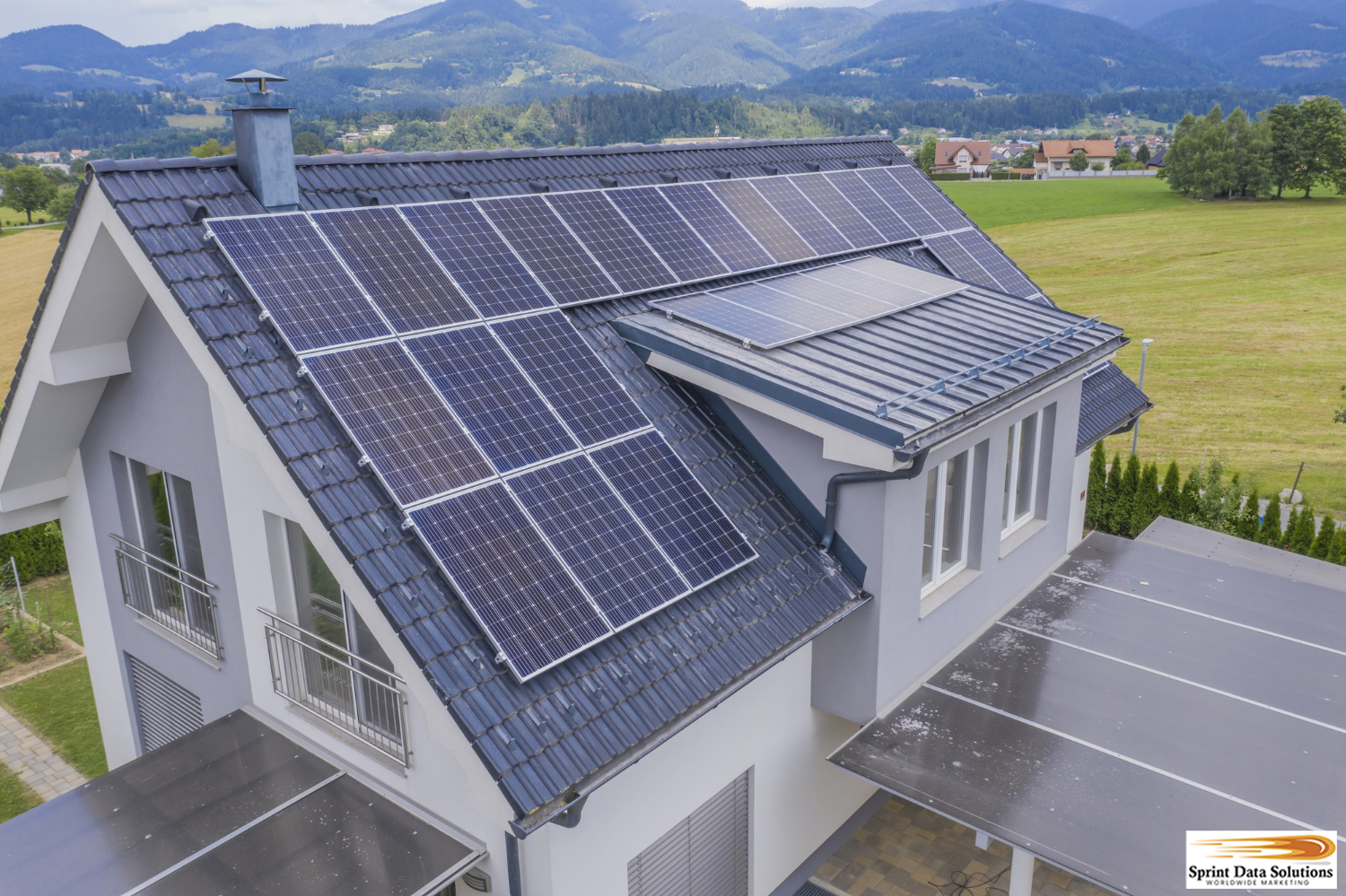
Solar power generation has significantly transformed the landscape of private residential energy use, offering homeowners a solution to mitigate the unpredictability and rising costs of traditional electricity bills. In regions where utility rates fluctuate dramatically, whether due to seasonal variations, varying pricing structures, or changes in energy demand, homeowners often face uncertainty when it comes to the total cost of their electricity. This can create financial strain as residents struggle to manage monthly utility payments, with no clear picture of how much of the bill is driven by essential needs versus wasteful consumption.
By adopting solar power systems, homeowners gain greater control over their energy consumption and, ultimately, their costs. Solar panels generate electricity directly from sunlight, and with advancements in energy storage technology, homeowners can store excess power produced during the day in batteries. These batteries can then provide power during the night or on cloudy days, further reducing reliance on the grid. This not only helps mitigate the effects of peak-hour pricing, which typically results in higher charges, but also supports greater energy independence. With solar power, residents are no longer forced to adjust their schedules to avoid high rates during specific periods. In fact, some homeowners may even generate enough energy to completely offset their utility bills, leading to long-term savings and a reduced carbon footprint. This level of self-sufficiency is increasingly achievable as solar technology becomes more affordable, efficient, and accessible.
Rural Residents
Solar power generation is an incredibly valuable resource, especially for individuals living in rural or remote areas. While many urban locations enjoy reliable electricity thanks to the proximity of the power grid, rural areas often face prolonged power outages, particularly during storms, wildfires, or other natural disasters. In these cases, the restoration of power can take an extended period due to the complexity of locating and repairing downed power lines or damaged infrastructure, which is often more challenging in less accessible regions.
Solar panels, however, offer a dependable solution for ensuring uninterrupted power, even when the grid fails. With solar energy, households can harness the sun’s power to generate electricity, providing essential functions like lighting, heating, refrigeration, and communication tools when the grid is down. In addition to offering backup power during outages, solar panels also enable the potential for complete energy independence, reducing reliance on the utility grid entirely. For homes located in areas frequently affected by environmental hazards—such as hurricanes, floods, or wildfires—solar power systems can provide peace of mind, allowing residents to remain comfortable and self-sufficient, even when the local power supply is disrupted for extended periods.
With the advancement of solar technology, paired with battery storage systems that allow excess energy to be stored for later use, solar energy solutions have become an increasingly attractive option. They not only ensure continued access to electricity but can also reduce overall energy costs, improve energy security, and contribute to a more sustainable and resilient lifestyle.
And it’s here, in reaching out to these customers and businesses, that Sprint Data Solutions Worldwide Marketing can make a difference.
Who Is Sprint Data Solutions Worldwide Marketing?
Sprint Data Solutions Worldwide Marketing is a proudly American-owned and operated business, founded in Las Vegas, Nevada, by a disabled veteran with a vision to help businesses expand their most valuable resource— their customer base. Starting from a small, local operation, the company’s commitment to providing exceptional service and a focus on quality led to steady and sustainable growth. Over time, the company has grown into a leader in the marketing sector, now boasting a dedicated staff with over 50 years of combined experience.
Initially, Sprint Data Solutions Worldwide Marketing specialized in direct mail services, honing its expertise in database collection, management, and analytics. This solid foundation allowed the company to swiftly adapt to the emerging world of digital marketing, integrating innovative digital solutions that offered their clients a competitive edge. By embracing digital marketing early, Sprint Data Solutions Worldwide Marketing became a trailblazer in the industry, helping its clients achieve significant success through the strategic use of data.
As the company’s client base and reputation grew, so did its service offerings. What began as a local marketing operation in Nevada quickly expanded to a nationwide scope. Today, Sprint Data Solutions Worldwide Marketing offers comprehensive services that extend across the entire continental U.S., including Alaska and Hawaii, with an impressive reach that now spans Canada, Mexico, and even European Union markets such as France. By leveraging both traditional and digital marketing strategies, Sprint Data Solutions Worldwide Marketing has positioned itself as a trusted global partner for businesses looking to grow and reach new markets.
With a deep understanding of market trends and an unwavering commitment to staying at the forefront of marketing innovations, Sprint Data Solutions Worldwide Marketing continues to empower businesses worldwide. Whether a company is looking to refine its direct mail campaigns, launch digital marketing initiatives, or leverage cutting-edge data analytics, Sprint Data Solutions Worldwide Marketing’s combination of experience, expertise, and passion for client success remains the cornerstone of its enduring growth.

How We Can Help
Sprint Data Solutions Worldwide Marketing has dedicated years to curating one of the most extensive and accurate contact databases in the industry, amassing valuable, up-to-date information across a broad range of sectors. Our team not only builds databases in-house but also maintains strategic alliances with well-established, reputable data sources, significantly expanding our reach and enhancing the diversity of contacts available. This collaboration ensures access to fresh, relevant contact details, while our ongoing partnerships continuously introduce new, high-quality data to further strengthen the database.
Our data collection practices adhere strictly to ethical and legal standards, ensuring full compliance with privacy laws. We gather information through legitimate and transparent channels such as opt-in newsletter programs, online account sign-ups, subscription-based services, customer surveys, and consent-based data sharing like business card donations. Each contact within our databases is obtained with the individual’s consent, guaranteeing that every data point is willingly provided and legally obtained.
What truly sets our databases apart, however, is our commitment to ensuring their continual accuracy and relevance. At Sprint Data Solutions Worldwide Marketing, we understand that data is not static. People’s circumstances change constantly, and so must the data. Our rigorous process involves frequent updates and periodic checks to confirm that all information remains accurate. Whether it’s tracking graduating students, employees transitioning between companies, or addressing changes like relocations or even the passing of individuals, we make sure that the data you receive is timely, viable, and aligned with current market conditions. This approach ensures that our clients are not only working with high-quality data, but also that their marketing efforts remain effective, avoiding wasted resources on outdated or irrelevant contact information.
In addition to maintaining and updating our databases, Sprint Data Solutions Worldwide Marketing employs cutting-edge artificial intelligence and machine learning technologies to optimize data usage. These advanced tools allow us to process vast amounts of data and apply sophisticated algorithms that filter and organize information with unparalleled precision. Rather than simply providing a random assortment of contacts, we utilize AI-powered analytics to ensure that the contacts selected for each campaign are the most likely to generate meaningful engagement. By leveraging this technology, we give our clients the ability to target their ideal audience with maximum effectiveness, increasing the likelihood of success in every marketing endeavor.
Ultimately, it’s our combination of a massive, continuously evolving database and the application of advanced data analytics that drives the success of Sprint Data Solutions Worldwide Marketing. We deliver more than just names and addresses — we offer precision-targeted contact lists that empower our clients to reach the right people at the right time, ensuring the best return on investment for their marketing campaigns.
One important factor to consider when planning a marketing campaign is the geographic targeting, which allows for broad or highly focused approaches depending on the client’s needs. On a nationwide level, contact details can be provided for extensive campaigns that aim to reach the largest audience possible, ensuring a comprehensive scope for businesses looking to expand their outreach across the entire country. However, businesses often require more refined targeting to enhance the precision and relevance of their marketing efforts. For example, a campaign can be concentrated on a specific region, such as New England, or even narrowed further to target just a single state like Massachusetts. If even more granular precision is needed, marketing efforts can be limited to a specific city, like Boston, or further focused on a distinct neighborhood, such as Beacon Hill. This ability to zoom in on specific geographic areas enables clients to target their ideal audience more effectively, driving higher engagement and conversion rates.
Another crucial aspect of highly effective marketing is the use of demographic categorization. Sprint Data Solutions Worldwide Marketing provides the ability to filter contact lists by a variety of demographic factors, allowing businesses to tailor their campaigns to align with specific consumer segments. For example, ethnicity-based targeting can be employed if a product or service is likely to resonate more with a particular cultural or ethnic group, such as Latin Americans. Faith-based segmentation is also available, such as targeting specific communities like Catholics, for businesses looking to market products or services that align with religious values or events. Economic factors play a key role as well, with options to focus on affluent individuals, ensuring that high-net-worth individuals receive targeted communications about premium products or services. Age-specific targeting can also be a powerful tool, allowing businesses to tailor their messaging to the needs of specific generations or age groups. Additionally, for businesses in healthcare or wellness, it’s possible to target individuals based on specific conditions or diagnoses, such as diabetes, ensuring that the product or service is directed toward the people most likely to benefit from it. This multi-dimensional approach to data-driven marketing increases the relevance of the outreach, ensuring a higher likelihood of interest, engagement, and response from the target audience.
Database Formats & More
Sprint Data Solutions Worldwide Marketing offers versatile, high-quality contact information to suit any marketing strategy. Whether you are focusing on direct mail, digital marketing, or telemarketing campaigns, we provide the most accurate and up-to-date contact details in a format tailored to your needs. For direct mail, we supply physical mailing addresses for both general consumers and businesses. In the digital space, we offer email addresses that can be customized for either consumer or B2B marketing. For B2B campaigns, we focus on providing the contact details of key decision-makers within companies to ensure your message reaches the right person.
If your marketing efforts involve telemarketing, we can provide phone numbers for residential or business lines, with a focus on decision-makers in B2B campaigns. We also supply cellular numbers, ideal for SMS or text message marketing, allowing you to target customers directly via mobile channels.
For businesses that want to utilize direct mail but lack the experience or resources to manage the campaign, we offer comprehensive turnkey direct mail solutions. Our team guides clients through every stage, from conceptualization and design to printing, production, and distribution, ensuring a seamless process. With our turnkey service, we handle everything under one roof, removing the need for clients to source and vet multiple vendors across different stages of the campaign.
Additionally, if you are targeting customers in industries like solar power or related fields, we have the specialized leads to make your marketing efforts more effective. Reach out to Sprint Data Solutions Worldwide Marketing for access to high-quality, targeted leads that can significantly enhance the success of your campaigns.