

Digital Marketing Is The Next Channel For The 21st Century
The concept of marketing has undergone significant transformation over the centuries, and much of this evolution has been driven by advancements in communication technologies. In the 19th century, marketing was primarily confined to print media. The printing press, a groundbreaking invention of the time, became the key medium for businesses to reach a mass audience. Newspapers, books, magazines, and posters were the go-to channels for advertising products and services. However, marketing at this stage was relatively broad and untargeted, as businesses were simply trying to reach as many people as possible within their geographic area.
The 20th century marked a pivotal shift as new technologies, such as radio and television, revolutionized marketing. Radio allowed businesses to engage with audiences on a more personal level, speaking directly to them through audio. This added a new dimension to advertising by bringing products and services into the homes of consumers, creating a sense of intimacy and connection that print media couldn’t achieve. Television, however, represented the next leap forward. It combined both sight and sound, allowing marketers to not only speak to their audience but also show them how products worked. Commercials became an essential part of everyday life, and advertising could now move, speak, and even demonstrate in vivid color, further captivating consumers and building brand recognition.
In the 21st century, marketing has expanded once again, but this time the shift isn’t merely about improving the fidelity of sound or image. The true revolution lies in the ability to target and engage consumers with incredible precision. The digital era has opened up a vast array of new platforms—social media, search engines, email, mobile apps, and more—that give marketers the ability to refine their efforts based on granular consumer data. Businesses can now collect insights about individual preferences, behaviors, and purchasing patterns to create highly personalized campaigns that resonate more effectively with smaller, more defined target audiences. This evolution in digital marketing has ushered in an era where precision is key, and the ability to tailor messages to the specific needs and interests of each consumer has become the most effective way to drive engagement and conversions.
For companies like Sprint Data Solutions Worldwide Marketing, this digital transformation offers tremendous opportunities. By leveraging sophisticated data analytics and tools, businesses can now reach their ideal customers more efficiently than ever before, using customized marketing strategies that speak directly to the unique interests and needs of their audience. With access to highly segmented databases and the power of digital platforms, Sprint Data Solutions Worldwide Marketing can help clients navigate this new landscape, ensuring their marketing efforts are not only reaching the right people but also delivering messages that drive meaningful results.
What Sprint Data Solutions Worldwide Marketing Is
Sprint Data Solutions Worldwide Marketing was founded by a disabled veteran with a clear vision to create a business that would contribute to the nation’s economy by expanding businesses’ customer bases rather than focusing on defense. In its early stages, the company recognized the growing potential of marketing strategies that leveraged emerging technologies. At the time, traditional media channels like television, radio, and print advertising still dominated the marketing landscape. However, forward-thinking industry experts, including the founders of Sprint Data Solutions, saw the writing on the wall: digital marketing was poised to disrupt and revolutionize the marketing industry in the coming years.
Initially, Sprint Data Solutions Worldwide Marketing specialized in direct mail, a traditional marketing method that was highly effective and widely used. This niche allowed the company to hone its expertise in crucial aspects of marketing, including data acquisition, management, and analytics. These skills would later prove to be invaluable as the digital marketing era began to take shape. As digital marketing platforms and technologies matured, many businesses struggled to adapt to the new landscape, lacking the necessary data expertise to fully leverage the power of digital channels.
Sprint Data Solutions, however, was in a unique position. With a robust understanding of data-driven marketing and cutting-edge analytics, the company quickly recognized the potential of digital marketing and integrated it into its service offerings. By leveraging its strong foundation in data management, the company became an early adopter of digital marketing tools, positioning itself ahead of many competitors. This foresight allowed Sprint Data Solutions Worldwide Marketing to tap into the expanding market for digital advertising and secure significant growth for both itself and its clients. As a result, the company solidified its reputation as a leader in data-driven marketing solutions and successfully navigated the transition from traditional methods to the digital age.
The Digital Marketing Difference
Digital marketing represents a revolutionary shift in the way businesses approach their promotional efforts, offering a level of precision and accountability that traditional marketing methods could never achieve. One of the most notable advantages of digital marketing is its ability to capture specific, trackable data that can be analyzed and used to refine strategies in real time. In contrast, traditional media such as TV, radio, or print advertising, while still powerful in reaching broad audiences, offer little insight into how effectively they resonate with viewers or lead to measurable business outcomes. When a commercial airs on television, for instance, marketers can estimate audience reach using statistical models, but they are largely in the dark about who exactly viewed the ad, how engaged they were, or what, if any, actions they took as a result.
Digital marketing fundamentally changes this dynamic by making every interaction measurable. Whether through paid ads on social media, email campaigns, or website interactions, digital platforms are built to track and report on every aspect of a consumer’s journey. Each click, view, conversion, and even user behavior on a website is captured, creating a wealth of data that can be analyzed to gain insights into customer preferences, purchasing habits, and more. This level of granularity allows businesses to optimize their strategies based on concrete feedback rather than relying on broad assumptions or generalized audience estimates. For example, an email campaign can track open rates, click-through rates, and even conversions, offering clear visibility into the campaign’s effectiveness and enabling marketers to adjust messaging, timing, and targeting for optimal performance.
Moreover, the feedback loop in digital marketing is much faster and more dynamic than traditional media. Businesses can experiment with different approaches, assess performance in real time, and make data-driven decisions to continuously improve their campaigns. The ability to track, analyze, and optimize marketing efforts on the fly is a critical advantage, allowing companies to allocate resources more efficiently and see immediate results from their efforts. This shift toward data-driven marketing not only improves efficiency but also enhances the customer experience by ensuring that content is personalized and relevant to the individual. By utilizing advanced analytics, machine learning, and customer behavior tracking, businesses can create highly targeted campaigns that engage customers more effectively and drive measurable outcomes, setting digital marketing apart as a more powerful and precise tool compared to traditional media.
A key distinction between direct mail and email marketing lies in the precision and tracking capabilities provided by digital platforms. Email marketing offers a level of certainty that direct mail cannot match, especially when it comes to measuring campaign performance. With email, businesses gain immediate, actionable insights through delivery reports, open rates, and click-through metrics. This data not only confirms whether an email was successfully delivered but also allows businesses to track the exact moment a recipient engages with the content. By embedding unique links or tracking codes within emails, companies can pinpoint which specific recipient clicked, what action they took (such as purchasing a product or filling out a form), and even their geographic location.
In contrast, direct mail is inherently less trackable. While it’s possible to include unique discount codes or custom URLs to track responses, the overall process remains more opaque. Direct mail runs the risk of being lost in transit, ignored, or discarded, with no way for businesses to know if non-response is due to lack of interest or simple non-receipt of the material. Additionally, direct mail campaigns generally lack the instant, real-time feedback mechanisms that email offers. This makes it more difficult to adjust and optimize campaigns based on immediate data.
Email marketing also supports more personalized, segmented outreach. By analyzing open rates, click-through behaviors, and purchase actions, businesses can fine-tune their messaging, targeting the right audience with more relevant offers. This personalization is significantly more challenging with direct mail, where tracking responses and segmenting audiences effectively is a slower, more labor-intensive process. Ultimately, email’s ability to offer immediate, detailed feedback and seamless integration with customer relationship management (CRM) systems makes it a far more adaptable and responsive marketing channel than traditional direct mail.
Multi-Media
Digital marketing offers unparalleled flexibility compared to traditional marketing channels, as it integrates a wide range of media and technologies to create interactive, immersive, and dynamic experiences. Unlike traditional methods like print, radio, or television, which are confined to specific formats—such as static images, sound, or video—digital marketing seamlessly combines all of these elements and more, enabling businesses to engage their audience in a more comprehensive and personalized manner.
For example, digital marketing can incorporate not just text, but also vibrant images, rich media, and interactive content. Emails, once limited to simple text messages, can now be highly engaging, incorporating colorful visuals, videos, and clickable links that lead to landing pages or social media platforms. This dynamic approach allows for much deeper interaction, such as embedding video content, audio messages, or real-time customer support via live chat or AI-driven chatbots. These features create opportunities for immediate feedback and a direct conversation between businesses and their audience, driving higher engagement and enhancing customer relationships.
Furthermore, digital marketing is not restricted to a single platform or device. The proliferation of smartphones, tablets, and wearable devices means that businesses can reach consumers across a multitude of touchpoints, whether via SMS marketing, mobile apps, or social media platforms. This versatility enables marketers to craft targeted campaigns that adapt to the preferences and behaviors of individual consumers, ensuring that their messages are delivered in the most relevant and timely manner possible.
In addition, digital marketing channels—such as social media, search engine optimization (SEO), content marketing, and pay-per-click advertising—allow for real-time adjustments based on performance analytics. Businesses can track consumer interactions and behaviors instantly, making it possible to optimize campaigns on the fly for maximum impact. This data-driven approach is one of the key advantages of digital marketing, offering the ability to refine strategies continuously and ensure better returns on investment (ROI).
Ultimately, digital marketing goes beyond the constraints of traditional media, enabling businesses to create multifaceted, engaging, and adaptive campaigns that meet the needs and preferences of modern consumers, all while leveraging the power of technology to enhance communication and maximize reach. Some of the format possibilities for digital marketing include:
Email Marketing
Email marketing has emerged as a powerful tool, offering unmatched flexibility and convenience for both businesses and consumers. Unlike traditional direct mail, which requires the recipient to be physically present at their mailbox to access marketing materials, email marketing is available at any time, directly on the recipient’s devices—whether they are using a desktop, laptop, or smartphone. This instant access increases the likelihood of engagement, as emails can be opened at the recipient’s convenience, making it an invaluable tool for businesses looking to connect with customers on the go.
One of the key advantages of email marketing is its versatility in design and content. Emails can range from simple, text-based messages that convey important information to highly polished, visually striking designs with rich graphics, photos, and interactive elements. This flexibility allows businesses to tailor their messages to different types of audiences, from concise, straightforward updates to more immersive campaigns that engage the recipient with compelling visuals and dynamic content.
Additionally, email marketing provides robust tracking and analytics capabilities that enable businesses to gain detailed insights into how recipients are interacting with their messages. Links embedded in emails can direct users to landing pages, special offers, or e-commerce sites, allowing businesses to monitor click-through rates, conversions, and other vital data. This data can then be used to refine future campaigns for even greater impact. One of the most powerful aspects of email marketing is the ability to set up automated workflows based on customer behavior. For instance, when a customer purchases a product, automated systems can trigger follow-up emails, such as notifications about restocks, discounts on related products, or reminders about upcoming sales. This personalization can extend to automated email reminders for abandoned shopping carts, giving businesses the opportunity to convert potential sales into actual purchases with timely follow-ups.
Moreover, email marketing can be used to build long-term customer relationships by regularly sending valuable content such as promotions, newsletters, and product updates without requiring manual intervention. These automated communications not only save businesses time but also ensure that customers remain engaged, reducing the need for businesses to continuously manage and update customer lists manually. By leveraging segmentation and targeted email campaigns, businesses can ensure that the right message reaches the right audience, further enhancing the effectiveness of their marketing efforts.
Voice Broadcasting
Voice broadcasting, once primarily associated with traditional telemarketing and radio advertising, has evolved into a more dynamic and versatile tool within digital marketing. With the rapid advancement of technology and the growing influence of multimedia, the ability to seamlessly integrate voice broadcasting into digital channels has unlocked a host of new opportunities for businesses. Rather than relying solely on the limitations of traditional audio formats, voice broadcasting can now be embedded in emails, used as voicemail drop messages, or even as audio ads on social media platforms and websites.
The effectiveness of voice broadcasting lies in its ability to convey messages with a personal touch, often providing a more compelling call to action than text-based content alone. This technique is especially beneficial for campaigns that rely on building trust and engagement, as the human voice can evoke emotion and create a sense of familiarity that text sometimes struggles to achieve. Whether it’s delivering a personalized offer, sharing important information, or promoting a product with a clear and engaging message, voice broadcasting can bring a unique and memorable dimension to your marketing efforts.
For industries like retail, finance, healthcare, and political campaigns, where connection and credibility are key, voice broadcasting can be a highly effective tool. Its flexibility allows it to be used in a wide variety of contexts, including automated customer service responses, targeted marketing outreach, and even as a way to deliver time-sensitive offers or reminders. When combined with digital platforms, voice broadcasting offers the best of both worlds—traditional audio marketing merged with the innovation of the digital age—making it an indispensable asset for modern marketing strategies.
Text/SMS
The short messaging system, commonly known as SMS or text messaging, has become a key player in modern digital marketing. Originally developed as a simple means of communication in the early days of cellular networks, SMS was designed to overcome the limitations of mobile phones that lacked the memory and processing capacity to handle more complex digital formats like emails or larger multimedia files. Initially, the service was used to send brief, text-only messages, often limited to just a few characters, which is why it’s referred to as “short messaging.”
Despite its humble beginnings, SMS has evolved significantly over the years and has become a powerhouse in the world of mobile communication. Today, it serves as a quick, efficient, and highly effective channel for marketing messages. The brevity that was once considered a limitation has proven to be an advantage, as concise, direct messages are easier for consumers to read and understand on the go. SMS allows businesses to reach customers in real-time, and studies show that text messages often have a higher open rate than emails, with many users checking their phones for new texts almost immediately after receiving them.
Text messaging’s immediacy and simplicity make it an ideal platform for delivering timely offers, alerts, and updates. Marketers have recognized this power, utilizing SMS as part of a broader omnichannel strategy that includes email, social media, and app notifications. One of the primary reasons SMS has been so effective in marketing is its engagement rate—unlike emails or social media posts, which can be ignored or buried in an inbox, text messages typically prompt immediate attention. This instant nature has made SMS an increasingly popular tool for time-sensitive promotions, such as flash sales, appointment reminders, and special event invitations.
With the rise of smartphones, which are always connected and allow for seamless communication through SMS, this channel has become more important than ever. It has evolved into a preferred method for real-time communication, making it an invaluable tool for businesses looking to connect with their audiences in a direct and personalized way. As mobile usage continues to rise, SMS is expected to remain a dominant force in digital marketing, with its ability to foster quick, personalized interactions that drive engagement and sales.

How We Can Help
Sprint Data Solutions Worldwide Marketing has dedicated years to building and refining an extensive collection of high-quality databases that provide precise and up-to-date contact information across a diverse range of industries. Through our diligent efforts, we’ve cultivated an unmatched archive of data that spans a wide variety of consumer demographics, business sectors, and geographic regions. We also maintain active partnerships with some of the most reputable data providers in the industry, continually expanding the breadth of our contact lists and enriching the value they offer to our clients.
At the core of our data collection methodology is a commitment to ethical and legally compliant practices. We acquire data only through methods that respect privacy and consent, such as opt-in programs, newsletter signups, voluntary data sharing during account creation on websites or services, participation in surveys, and donations of business cards for marketing purposes. This ensures that all the contacts in our databases have actively engaged with businesses and provided their consent for future communications, making them highly relevant and valuable for marketing initiatives.
One of the most significant differentiators of our databases is that they are far from static. We view our data as “living documents” that must be routinely revisited and updated to maintain their integrity and usefulness. This commitment to ongoing data review ensures that our clients always have access to the most current and actionable information available. As circumstances evolve, such as a recipient moving to a new location or passing away, these changes are quickly flagged and corrected, ensuring that the database remains as accurate as possible. By maintaining such high levels of data hygiene, we protect our clients from wasting time and resources on outdated or irrelevant contacts, maximizing the return on their investment in our services.
Moreover, our databases are continually cross-checked against various industry standards, including the National Change of Address (NCOA) and Certified Address Accuracy System (CAAS) certifications, to ensure they meet or exceed quality benchmarks. These proactive efforts guarantee that our clients’ marketing campaigns remain efficient, effective, and well-targeted, resulting in a higher engagement rate and overall success in their outreach efforts. This relentless focus on quality, compliance, and accuracy makes Sprint Data Solutions Worldwide Marketing a trusted partner for businesses seeking reliable and actionable contact information.
Using a large database of contacts is certainly a valuable asset, but it does not automatically guarantee sales success. At Sprint Data Solutions Worldwide Marketing, we leverage advanced artificial intelligence systems that integrate sophisticated machine learning algorithms to analyze and optimize data, ensuring it is organized and refined for higher relevance. This means our clients don’t just receive a generic list of names and addresses. Rather, our databases are meticulously filtered based on specific client requirements and business metrics, ensuring that the contacts meet the precise marketing criteria. This strategic approach enhances the likelihood of generating genuine interest, fostering higher engagement rates, and driving positive responses from potential customers.
One of the key advantages of this approach is the ability to tailor marketing efforts to specific geographic regions. Whether a business is aiming for a nationwide outreach or targeting specific regions, we can fine-tune the database accordingly. For broad campaigns, we can provide contacts across the entire nation, but if the focus is narrower, we can hone in on specific areas, such as New England or a single state like California. Even more granular targeting is possible—whether a client is looking to focus on a particular city, such as Boston, or a specific neighborhood like Beacon Hill. This level of geographic precision enables businesses to concentrate their efforts on the most relevant audiences.
Data analytics also plays a crucial role in enhancing the quality of leads through segmentation. We don’t just categorize contacts by basic demographics; we utilize a wide range of attributes that allow for highly customized targeting. This includes characteristics like ethnicity, enabling businesses to connect with specific groups, such as African-Americans or Hispanic communities, where a product or service might resonate more strongly. We can also filter based on religious affiliations, allowing for campaigns that are more aligned with the values and interests of communities such as Jewish or Christian consumers. For businesses focused on high-net-worth individuals, we offer data sorted by economic status, ensuring your campaign reaches those with the purchasing power that aligns with your product or service. Moreover, we can identify consumers with specific health conditions, such as diabetes, to target products or services that cater to their unique needs, ensuring a higher chance of conversion. This granular level of targeting maximizes the efficiency and effectiveness of marketing efforts, ultimately resulting in a more focused and successful campaign.
An Array Of Services
Sprint Data Solutions Worldwide Marketing excels in leveraging its extensive and accurate databases through a broad range of advanced digital marketing services. By utilizing cutting-edge tools and techniques, the company ensures that businesses can effectively reach their target audience across multiple digital channels, including email, SMS, and social media. Their expertise in data analytics allows for precise segmentation, enabling personalized messaging that drives higher engagement rates and boosts conversion. Additionally, Sprint Data Solutions Worldwide Marketing provides comprehensive support throughout the campaign process, from strategy development to performance tracking, ensuring that every marketing effort delivers maximum ROI, including:
Email Broadcasts
Email broadcasting remains one of the most fundamental yet highly effective forms of digital marketing. It provides a direct line of communication to potential customers, allowing businesses to share product updates, promotional offers, event notifications, and other marketing materials. For email broadcasts to be truly successful, they must be highly targeted, ensuring the message reaches individuals who have expressed an interest in the brand, product, or service. By segmenting email lists based on customer preferences, behaviors, and demographics, businesses can create personalized and relevant content that resonates with recipients. This targeted approach increases the likelihood that emails will bypass spam filters and be opened by the intended audience, significantly boosting engagement, conversion rates, and overall effectiveness of the campaign. The success of email marketing hinges on both the quality of the content and the precision of the targeting.
Email Newsletter Broadcasting
Email newsletters serve as an effective marketing tool, especially when the goal is to provide more comprehensive, engaging, and informative content to the audience. Unlike short-term promotional campaigns, newsletters are designed to build ongoing relationships with subscribers by offering them valuable insights and knowledge. While product promotions and special offers are still important elements, newsletters typically feature a mix of content that adds value beyond the simple sale of goods or services.
For instance, a business specializing in automotive detailing products can go beyond just listing accessories. It could include expert tips on achieving a flawless finish, step-by-step guides for maintaining a car’s paint, or insights into emerging detailing trends. These helpful articles create a connection with the audience by offering knowledge and expertise that goes beyond the products sold. Similarly, wellness brands may offer stress-relief products, but their newsletters could also feature expert-led content such as mindfulness exercises, mental health tips, or interviews with wellness professionals, creating a more holistic experience for their audience.
This in-depth content approach enhances consumer engagement, as readers begin to expect more from the newsletter than just a sales pitch. It allows businesses to educate their audience, fostering trust and loyalty. Furthermore, by sharing expert knowledge and offering practical advice, companies can establish themselves as thought leaders within their industries. Email newsletters, in this context, become a channel for building community, keeping the audience informed, and creating long-term relationships that go beyond transactional exchanges.
SMS Text Messaging Campaigns
In today’s digital landscape, mobile phones have become the primary device for many consumers, with individuals checking their phones more frequently throughout the day than their computers. This shift in behavior makes SMS/text messaging an incredibly effective marketing tool. Compared to traditional methods like direct mail or email, SMS ensures that your message reaches the consumer instantly, as phones are almost always within arm’s reach. Unlike email, which can be filtered into spam folders, or direct mail, which may be ignored or delayed, text messages are typically opened and read within minutes of receipt.
However, SMS marketing requires careful consideration due to its character limits. Crafting concise, impactful, and engaging copy is essential to ensure that your message resonates with the recipient. A well-crafted SMS campaign can create a sense of urgency or provide valuable information that compels the recipient to act immediately. When executed properly, SMS marketing can yield high engagement rates, offering a direct line of communication with customers without the barriers posed by email spam filters or unanswered phone calls. Its immediacy, accessibility, and personal nature make it a powerful and efficient marketing strategy.
Voice Broadcasting Campaigns
Digital marketing has greatly evolved, enabling businesses to use voice broadcasting as an effective communication tool, much like traditional radio advertising or leaving a message on an answering machine. Voice broadcasting allows companies to send recorded messages directly to a large number of recipients at once, making it highly efficient compared to manual telemarketing, which requires extensive labor.
In contrast to telemarketing, which often involves a team of callers reaching out to potential customers one by one, voice broadcasting offers a significant advantage in terms of automation. With voice broadcasting, a single recording can be sent out to thousands or even millions of people simultaneously, much like how email campaigns work. This makes it a highly scalable marketing solution.
However, to achieve the best results with voice broadcasting, the message must be concise and to the point. Like SMS marketing, recipients are less likely to engage with lengthy or overly detailed recordings. The key to success lies in keeping the message short, engaging, and relevant. This ensures the listener stays attentive, maximizing the chance of a positive response. Overall, the automation and mass outreach potential of voice broadcasting make it a powerful tool in modern marketing strategies, offering businesses an efficient way to deliver messages to a broad audience with minimal human effort.
Ringless Voice Broadcasting Campaigns
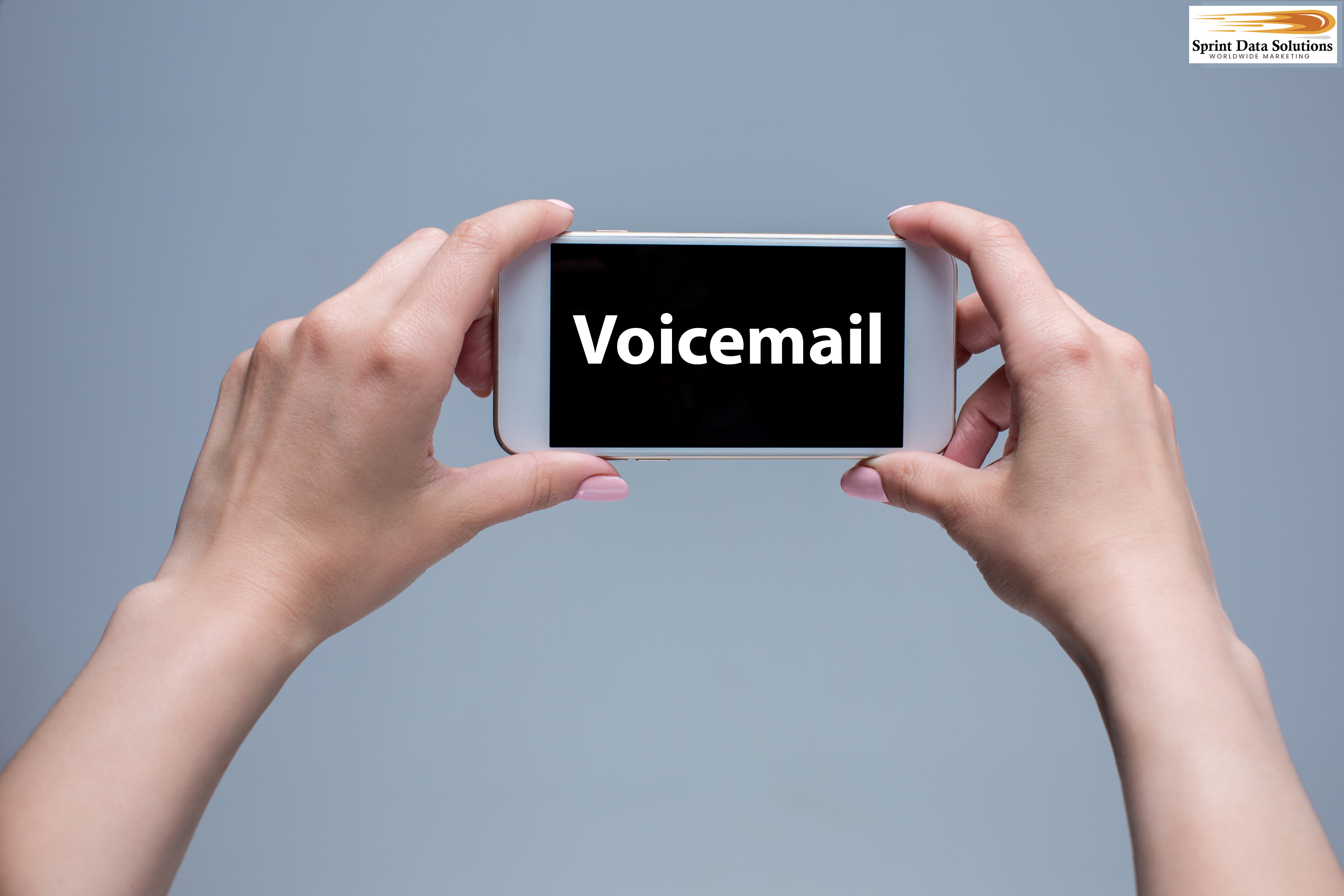
Ringless voice broadcasting campaigns share similarities with traditional voice marketing in terms of format and ease of use. However, as the name suggests, the key distinction is that these campaigns do not cause a phone to ring. Instead, the pre-recorded message is delivered directly to the recipient’s voicemail or answering service. This unique approach allows marketers to reach a broader audience without interrupting their recipients, offering a less intrusive alternative to traditional cold calls.
Ringless voicemail marketing has become an increasingly effective tool for businesses looking to engage potential customers. It combines the personal touch of a human voice delivering the message with the convenience of automated distribution. Since the message is deposited directly into voicemail, recipients are able to listen to the message at their convenience, which can enhance engagement rates compared to live calls.
Moreover, one of the major advantages of ringless voicemail campaigns is the ability to track and analyze digital metrics. Marketers can monitor factors such as message listen rates, response rates, and call-to-action conversions. This data-driven approach allows for continuous optimization, enabling businesses to refine their messaging and targeting strategies based on real-time feedback. By combining the human element of voice with the power of digital analytics, ringless voicemail campaigns offer a potent and scalable solution for improving marketing effectiveness and building customer relationships.
Email Turnkey Campaigns
Sprint Data Solutions Worldwide Marketing offers a comprehensive turnkey email campaign service that provides businesses with a seamless, hands-off approach to email marketing. This service is ideal for businesses that may be hesitant to manage an email campaign themselves due to limited experience or lack of time. From start to finish, we assist clients every step of the way, ensuring that each campaign is tailored to their specific goals and audience.
The process begins with the concept phase, where our team works closely with the client to define the campaign’s objectives and target audience. Our experts provide valuable insights into what types of messaging will resonate best with the intended recipients, based on data-driven strategies and market trends. We then move to copywriting, where our skilled writers craft compelling, personalized content that engages readers and encourages action.
For businesses looking to create visually striking campaigns, we also offer graphic design services. Our designers develop custom visuals that align with the brand and enhance the email’s effectiveness, helping it stand out in crowded inboxes. Once the content and design are finalized, we tap into our extensive network of up-to-date and targeted contact databases, ensuring the message reaches the right people at the right time.
Finally, the email is sent out to the selected recipients, with real-time analytics and performance tracking provided throughout the campaign. At every stage, our team is available to offer guidance on best practices, helping clients understand the strategies behind email marketing success. The entire process happens under one roof, eliminating the need to source and manage different vendors for copywriting, design, data acquisition, and distribution, which can be time-consuming and costly. Clients receive a complete, fully managed email marketing solution that drives results and maximizes the impact of their message.
If you’re looking to connect with potential customers or clients through digital marketing, Sprint Data Solutions Worldwide Marketing can provide the high-quality leads that drive results. Our comprehensive databases, tailored to your specific business needs, enable precise targeting and optimized outreach, ensuring your message reaches the right audience at the right time. Let us help you expand your reach and maximize your marketing efforts with our expert services and reliable contact lists. Reach out today to discover how we can help elevate your marketing strategy.