


Students Are A Growing Marketing Demographic If You Can Reach Them
Education stands as one of the most essential pillars of a prosperous and civilized society, despite the reluctance often expressed by younger generations. The primary aim of education is to preserve and cultivate knowledge, enabling it to be passed down through generations so that each new cohort can build upon the foundations laid before them. This process of knowledge transfer is not only vital for the advancement of science, technology, and culture, but it also ensures that society continues to progress. Without education, humanity would never have made breakthroughs in medicine to cure diseases, developed the technologies that underpin the digital age, or even advanced the construction of safer, more resilient buildings beyond basic mud and straw structures. It is through education that we can address global challenges, push the boundaries of human potential, and ultimately create a world that is more connected, innovative, and sustainable.
The importance of education cannot be overstated, yet it is a process that requires effort, commitment, and perseverance. While children may initially view their time spent in the classroom as an obstacle to more enjoyable activities, the long-term benefits are clear. Education is the key to unlocking opportunities, improving one’s quality of life, and gaining the knowledge necessary to contribute meaningfully to society. For adults, the value of education is often even more apparent, as it directly impacts career prospects, earning potential, and personal fulfillment. Professions in fields like medicine, engineering, and technology require years of specialized education, and those who have gained this knowledge are crucial to the well-being of society. A society without these experts would struggle to function and advance, unable to meet the needs of an ever-evolving world. Thus, education is not merely about acquiring facts; it is about equipping individuals with the tools to think critically, solve problems, and innovate for a brighter future.
The Challenges
The current state of education in the United States is one of significant transformation, creating new challenges and opportunities for today’s students. In the past, the path to success was fairly straightforward: a college degree was considered the gold standard, with the assumption that higher education unlocked the doors to a prosperous career. While a degree remains valuable in certain fields, such as medicine, law, and academia, the landscape has shifted in recent years, and an increasing number of students are choosing alternative career paths that don’t require a traditional four-year degree. Fields like construction, plumbing, media engineering, computer programming, and other skilled trades are experiencing a resurgence, offering similar financial rewards and career stability as many degree-driven professions—without the same barriers of cost and debt.
Despite this shift, the financial burdens associated with education continue to be a significant challenge. The soaring costs of college tuition are increasingly out of reach for many families, and it’s no longer feasible to cover tuition with summer jobs or modest savings. College tuition has skyrocketed to levels comparable to purchasing a home, a stark contrast to the affordable education that older generations may have experienced. For many students today, accumulating debt is a necessity, not a choice—debt that often extends for decades and can significantly delay financial independence.
This situation has led to an economic paradox: the next generation is likely to be financially less secure than their parents, despite having greater access to information and opportunities. The idea of upward mobility, a hallmark of the American Dream, now feels out of reach for many. The financial pressures are exacerbated by a job market that is also evolving rapidly, with industries and career opportunities transforming faster than traditional education systems can adapt. While some sectors may be booming, others are being automated or restructured, leading to increased uncertainty about job security even for those who manage to secure a degree.
Moreover, the cost of education is not the only factor influencing students’ decisions. There is a growing recognition that career satisfaction and long-term stability don’t always correlate with the prestige of one’s education. As such, many students are gravitating toward educational models that emphasize practical skills, certifications, apprenticeships, and direct entry into the workforce. The rise of coding boot camps, trade schools, and online learning platforms is evidence of this shift, providing alternative avenues for skill development that can be more cost-effective and less time-consuming than a traditional college degree.
Yet, this rethinking of education has not alleviated the financial challenges. As many students and families explore alternatives, they still face the persistent issue of financing their education, whether it’s a degree or specialized training. The landscape of education is no longer one-size-fits-all, and the costs of higher education, in whichever form it may take, continue to outpace inflation and wage growth, leaving a generation of students struggling to navigate a rapidly changing and increasingly expensive educational system.
The Marketing Opportunities
As young Americans navigate the complexities of education and independence, they reach a critical juncture in their lives—one where they begin to make more significant decisions that will shape their future. This phase, often beginning in high school and intensifying at the college level, marks their transition into adulthood. At the high school stage, many students with substantial allowances are already flexing their financial muscles, choosing to buy products or services independently instead of relying on their parents. However, it is during their college years that the true experience of financial responsibility begins to unfold.
For many students, this is the first time they encounter debt, primarily in the form of student loans. Alongside these loans, they may also open their first credit cards and must start learning the intricacies of managing personal finances. While some guidance may still come from their parents, students are now legally recognized as adults. They make their own decisions, sign contracts, and act in their best interests as they navigate a world that demands independence.
This shift to financial independence opens the door for businesses to engage with this new demographic—students who are in the midst of making crucial life decisions and managing significant financial obligations. The products and services that resonate most with this group are those that address their immediate needs and priorities. Education, which remains the cornerstone of their college years, is one of the most relevant areas where businesses can connect with this audience.
Sprint Data Solutions Worldwide Marketing offers a robust database tailored to this demographic. These databases categorize students by their financial behaviors, educational paths, and personal interests, providing businesses with the tools to craft personalized marketing campaigns that align with the unique needs of young adults during this critical stage of their lives. From educational resources to financial products, these insights can help businesses target this emerging market effectively, ensuring that their offerings meet the specific desires and demands of these future decision-makers. Sprint Data Solutions Worldwide Marketing has extensive databases of students categorized according to their needs, such as:
Educational Seekers
The largest demographic in education encompasses a broad spectrum of individuals seeking various forms of formal learning. This includes everyone from high school graduates aiming for a college or university degree to adults returning to school for career advancement or personal enrichment. It spans those interested in obtaining specialized diplomas from technical or trade schools to those pursuing advanced degrees such as Master’s or Doctoral programs.
The appeal of formal education is diverse and is motivated by different goals. For younger individuals, this typically means gaining the academic credentials necessary to pursue a professional career, while older individuals may seek to update their skills, change careers, or achieve a long-held personal goal. This demographic is not limited by age, as it includes teens just entering college, individuals in their 30s and 40s pursuing advanced education, and even those in later years who are returning to school for various reasons, such as acquiring new skills or achieving a sense of accomplishment.
Within this broad category, educational pursuits can be further subdivided by specific interests. Some may seek vocational or trade certifications, which often lead to specialized roles in fields such as healthcare, construction, or information technology. Others may be driven by the desire for a traditional university degree, whether a Bachelor’s, Master’s, or even Ph.D., which may open doors to higher-paying jobs, academic careers, or leadership positions.
Despite the differences in objectives, all these individuals share a common desire: they are investing in themselves through formal education, seeking a recognized certification or degree that validates their knowledge and expertise in a specific field. This pursuit often reflects a strong commitment to personal growth, career enhancement, and the long-term goal of improving one’s quality of life through increased qualifications and skills.
Student Financial Assistance Seekers
In the past, attending school was far more financially accessible, with many students able to pay their tuition through summer jobs or rely on their parents’ savings to cover the costs of a full education. For a significant portion of students, working part-time or relying on modest savings allowed them to pursue their degree without the heavy burden of debt. However, this is no longer the reality for the majority of students today.
In today’s world, securing a post-secondary education often requires a substantial financial commitment, and for most students, student loans have become an essential part of their academic journey. The cost of education has risen dramatically, making it difficult for many families to cover tuition and related expenses without borrowing. Aside from student loans, other financial products—such as credit cards, personal loans, and lines of credit—are increasingly being used by students to manage their finances.
Importantly, the financial needs of students are diverse, and as such, they require a variety of financial products tailored to their specific situations. For instance, some students may need additional financing options to cover tuition fees, while others may struggle to make ends meet during the school year, managing costs for rent, utilities, books, and day-to-day living expenses. Financial products such as budgeting tools, student discounts, and affordable housing options are critical in helping students maintain a balance between repaying loans and covering their daily expenses. Additionally, services focused on financial literacy are becoming more important, as many students are unfamiliar with managing debt and building credit.
Overall, the financial landscape for students today is far more complex than it was in previous generations. While loans and credit are more accessible, they come with risks, and students must be careful to avoid overwhelming debt while managing their academic and personal living costs. Financial products, services, and guidance tailored to these distinct needs are more important than ever, as they provide students with the tools to navigate the challenges of funding their education and sustaining themselves throughout their academic careers.
Online Class Seekers
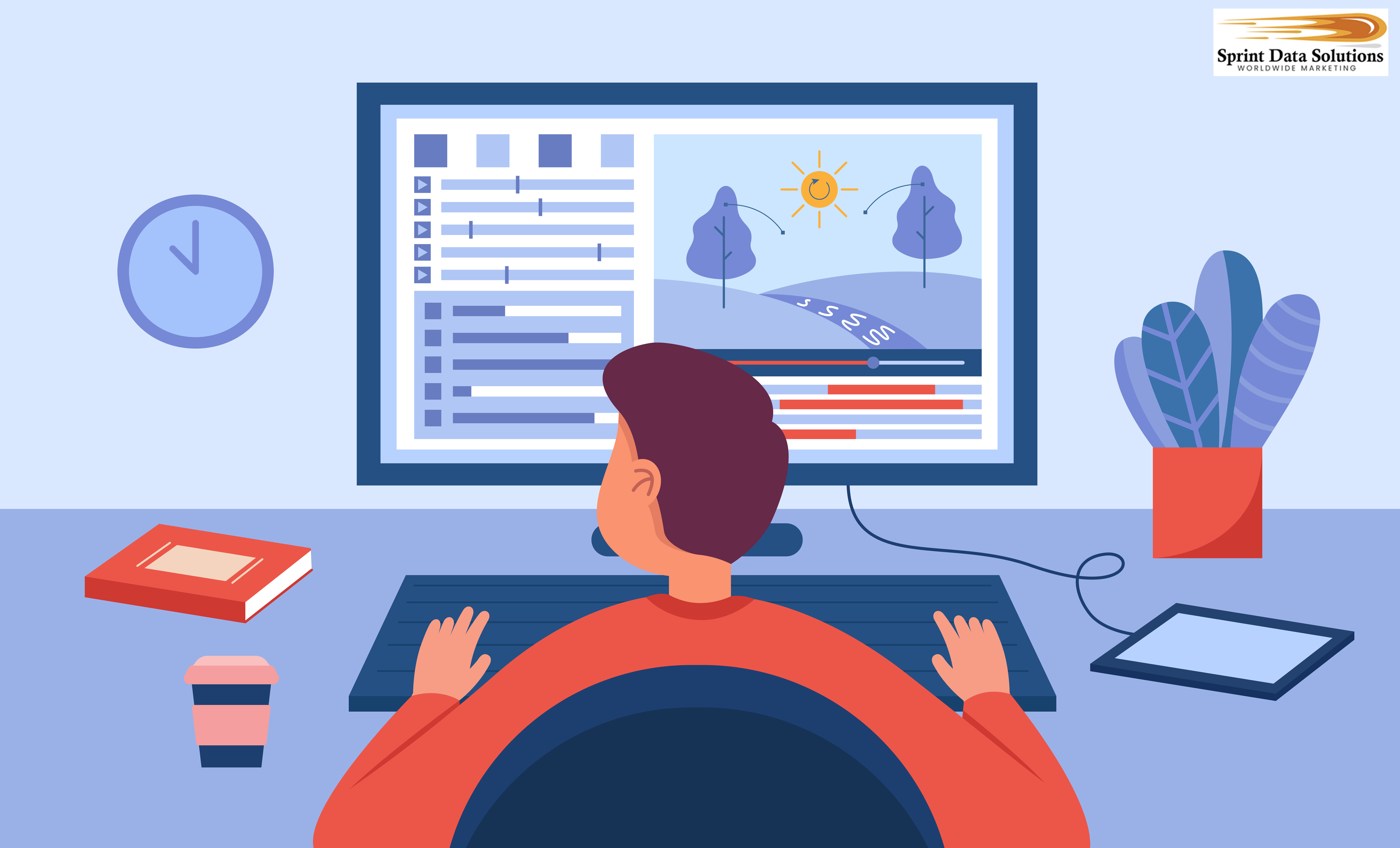
The shift to online remote learning, initially driven by the health and safety concerns of the pandemic, has evolved into a transformative educational model. The flexibility and convenience of accessing classes online have opened doors for individuals who may not have had the opportunity to pursue further education otherwise. This is particularly beneficial for those who face barriers such as professional work schedules, geographic isolation, or financial constraints. Traditional in-person classes, which typically take place during regular working hours, can be difficult for working adults to attend. Remote learning eliminates this challenge by offering students the ability to access coursework at their convenience, regardless of location or time zone.
Furthermore, for those living in rural or remote areas, the cost of relocating to be closer to educational institutions can be prohibitive, especially when factoring in living expenses, transportation, and housing. Online learning removes these obstacles, enabling individuals to access high-quality education from anywhere in the world without having to bear the extra financial burden.
The online learning landscape is vast, encompassing a wide range of courses from traditional academic subjects to vocational training, trade skills, and professional development programs. This broad spectrum of options attracts a diverse student demographic, from individuals looking to advance their careers, to those pursuing a career change, or even lifelong learners seeking personal enrichment. As such, the market for products and services that support online learning is also growing. Items such as noise-cancelling headsets, microphones, webcams, speakers, ergonomic office furniture, and digital security tools are increasingly in demand. These products enhance the learning experience, ensuring clear communication, comfort, and privacy, which are crucial for those engaging in remote education. Digital security solutions, in particular, have become essential as online learning platforms increasingly require personal data, and learners need to feel confident that their information is protected from potential cyber threats.
As more people embrace online learning for its accessibility, flexibility, and variety, the demand for supportive tools and services is expected to continue growing, offering significant opportunities for businesses to market to this expanding demographic.
Trade School Financial Assistance
Trade schools, also known as vocational schools or technical colleges, are increasingly becoming an essential avenue for students looking to gain specialized skills and certifications in fields that are in high demand, such as healthcare, skilled trades, and technology. While these institutions do not offer traditional four-year degree programs, the costs associated with attending them can still be substantial. In fact, in some ways, these programs can be even more financially demanding than traditional colleges, as they often require intensive, hands-on training that requires specialized equipment, tools, or facilities.
The value of a diploma or certification from a trade school cannot be overstated, as these qualifications open doors to high-paying jobs in industries where skilled labor is in short supply. However, the growing need for these professionals, coupled with the increasing rarity of students choosing vocational routes over university degrees, makes it harder for many trade schools to meet the demand for training in these fields. As such, these schools often face significant challenges in attracting students who may lack the financial resources to cover the cost of their education.
Many students attending trade schools come from lower-income backgrounds, often seeking vocational training as a way to quickly enter the workforce with a marketable skill. This demographic tends to face unique challenges in securing financing for their education. Unlike traditional universities, trade schools often do not offer the same level of financial aid or loan options, making it critical for these institutions to have support systems in place. In addition to offering financial assistance, many trade schools also provide services designed to help students manage their budgets, reduce costs, and navigate their academic workload.
These services might include financial counseling, help with finding scholarships or grants, and mentorship programs to aid students in developing time management skills and budgeting strategies. For students already managing tight budgets, such services can be a crucial lifeline. Furthermore, trade schools often work closely with local industries, creating partnerships that may provide opportunities for paid internships or apprenticeships, which can further alleviate financial burdens while allowing students to gain valuable experience in their field.
With more emphasis placed on skill acquisition and hands-on training, the role of financial assistance and support services has never been more critical. Trade schools that can successfully provide these resources are not only helping students succeed in their studies but also ensuring that they are prepared to thrive in their chosen careers, making it an investment that benefits both the individual and society as a whole.
Student Debt Leads
In the 21st century, student loan debt has become an undeniable reality for college graduates, often growing to burdensome levels that can hinder their financial freedom for years to come. However, if this generation is to build a secure and thriving future, it is essential that managing student debt takes precedence. The ability to invest in long-term assets like vehicles and homes—key milestones that previous generations have been able to achieve—remains out of reach for many graduates due to the weight of their educational debt.
As graduates enter the workforce, their financial decisions are shaped significantly by the need to address outstanding loans. Financial services that focus on debt relief, such as loan consolidation or refinancing, are increasingly in demand. These services offer students the opportunity to simplify their finances, reduce interest rates, and alleviate some of the strain caused by multiple monthly payments. Beyond just handling student loans, graduates also need strategies to maintain financial stability in the face of rising living costs, including budget-friendly travel options, affordable food sources, and cost-effective clothing.
By prioritizing debt management solutions and creating pathways for graduates to access services that promote financial well-being, it is possible to help them break free from the cycle of overwhelming debt. Supporting them with tools that foster financial literacy and long-term planning is key to ensuring that they are equipped to make informed decisions and regain their financial independence. As more graduates are empowered to manage their debt, they will be able to focus on building the foundations for a stable and successful future.
Student Continuing Education Seekers
For many, the pursuit of higher education has long been a cherished dream, one that was postponed due to the demands of family life, career obligations, or financial constraints. However, as time passes and life circumstances evolve, some individuals find themselves in a position to revisit those unfulfilled aspirations. With children now grown, settled into their own lives and careers, the thought of returning to school becomes more appealing. This new chapter offers the opportunity to fulfill long-held educational goals, not out of necessity, but out of a deep desire to learn and grow.
Seniors returning to school represent a unique demographic. Unlike younger students who may be driven by the pursuit of a specific career path or professional advancement, seniors are often more motivated by a genuine love of learning. Their goals are typically focused on personal enrichment, intellectual stimulation, and broadening their horizons rather than securing a job or career promotion. This group tends to be financially stable, with the added benefit of having fewer financial obligations, such as supporting children or paying off a mortgage, which allows them to focus on education without the financial stress many younger students face.
These returning students are also keenly aware of the benefits that continuing education can offer beyond the classroom. From enhancing their social networks to engaging in intellectual discussions, seniors bring a wealth of life experience and perspective to academic settings. Furthermore, they are more likely to take advantage of products and services tailored to their specific needs. Whether it’s technology tools to aid in online learning, educational travel opportunities, or resources to help balance academic work with personal responsibilities, seniors are often receptive to offerings that can enrich their educational experience and enhance their quality of life. As such, marketing efforts targeting this group can be highly effective when focused on their interests in personal growth, lifelong learning, and holistic well-being.
College Location
For many students, gaining acceptance to college marks the beginning of an exciting new chapter in their lives, often accompanied by the challenge of relocating to a new city or town. This transition means not only adjusting to academic life but also navigating a completely new environment, including unfamiliar local businesses, services, and amenities. For businesses in the area, this influx of new students presents a prime opportunity to attract a fresh and growing customer base every year.
Local companies stand to benefit greatly by targeting these incoming students, who are eager to discover essential services, dining options, and daily conveniences. Restaurants can entice students with appealing dining options tailored to their preferences and budgets, while grocery stores can attract new customers by offering products that meet the specific needs of students, such as affordable meal kits, snacks, and everyday essentials like cleaning products and toiletries. Additionally, businesses offering furniture, electronics, or even transportation services can make themselves known to students who are looking to furnish apartments or homes away from home.
By having access to targeted student data, local businesses can tailor their marketing efforts to specifically reach this demographic, ensuring that their products and services meet the needs of the newcomers. This targeted approach allows businesses to not only attract students who are new to the area but also to build lasting relationships with them, creating loyal customers for years to come. Whether it’s a coffee shop near campus, a gym offering student discounts, or a transportation service making commuting easier, the potential to reach students and provide for their unique needs presents a tremendous opportunity for local businesses to thrive.
College Requirements
For most students, gaining admission to a college—particularly to a prestigious institution that is their top choice—can be an overwhelming, intense process. Few students have the privilege of submitting a minimal effort application and still receiving an acceptance letter from their desired school. In reality, it requires a strategic combination of high academic achievement, extracurricular involvement, personal essays, and recommendations to even be considered for entry into competitive colleges. Furthermore, students must not only meet the academic and application-based requirements of a school but also navigate a host of logistical and financial challenges. This includes securing sufficient financial aid, determining how to fund their education, and managing housing and living arrangements once they are accepted. For many, this process extends beyond the stress of application deadlines and interview preparations—financial aid paperwork, housing contracts, and other organizational steps can create additional layers of complexity.
In light of these considerations, students are increasingly focused on how they can meet the diverse and often rigorous criteria laid out by universities. Beyond the obvious academic qualifications, schools evaluate a wide range of factors including standardized test scores, personal statements, extracurricular involvement, and even the student’s potential fit within the university’s culture. These nuanced elements are often where students can differentiate themselves, especially when applying to highly selective schools.
Moreover, understanding the full spectrum of university costs and logistical arrangements—such as tuition, living expenses, and textbooks—becomes critical. The need for financial planning, as well as securing proper housing (either on-campus or off-campus), is essential for making an affordable college experience a reality. Students may need to explore options such as scholarships, student loans, or part-time work to make their education feasible. With all these factors in play, it’s easy to see how students would benefit from products and services that cater to these academic, financial, and logistical needs—whether it’s educational tools, financial planning resources, student housing platforms, or school supplies. Tailoring marketing to these needs can provide students with the support they need to achieve their educational goals.
Degree Counselling Or Tuition Assistance
Once a student has been accepted into a school, it’s just the beginning of an exciting yet demanding journey. The path ahead requires a substantial commitment to not only mastering the coursework but also preparing for the exams that will lead to earning a degree, diploma, or certificate. While some students are capable of navigating this process on their own, many others can significantly benefit from additional support.
Students often face challenges such as managing their time effectively, maintaining focus, and understanding complex concepts. For these students, seeking out academic products and services can be a game-changer. From tutoring to study guides, these resources can provide crucial guidance. Moreover, counseling services that offer degree and career advice are invaluable, as they help students make informed decisions about their academic and professional futures.
In addition to academic guidance, financial counseling plays a critical role in helping students manage the costs associated with higher education. Tuition assistance programs, scholarships, and financial planning resources can help alleviate the financial burden, ensuring that students can focus on their studies rather than worrying about their finances. Ultimately, by taking advantage of these tools, students can not only navigate the academic challenges ahead but also set themselves up for success in their chosen field.
Career Placement & Career Counseling
Choosing a career path before or even during tertiary education can be an overwhelming experience for many students. Although post-secondary students are legally considered adults, they often feel uncertain about the future and may not yet have a clear sense of what they want to pursue professionally. The transition from high school to higher education can feel like a major leap, and the pressures to make significant decisions about one’s career can cause anxiety.
Career placement and counseling services play a crucial role in supporting students during this period of exploration. These services offer invaluable guidance by helping students assess their strengths, interests, and values to find the most suitable career paths. Through personalized counseling sessions, workshops, career fairs, and internships, students are provided with the resources and opportunities to explore various professional options, gain real-world experience, and make informed decisions. These services also assist in bridging the gap between academic studies and the job market, ensuring that students not only understand the potential of their degrees but also how to apply their skills effectively in a professional environment.
In addition to providing career guidance, these services often offer access to further training and certification programs, which can enhance a student’s qualifications and marketability. Orientation programs tailored to specific industries or job sectors, along with exposure to a variety of alternative career paths, give students the flexibility to consider different options and make more confident decisions about their professional futures. By creating an environment where students can explore, evaluate, and refine their goals, career placement and counseling services help alleviate the uncertainty and provide the clarity needed to move forward with purpose. This support, paired with career-enhancing products and services, becomes an essential tool for students seeking to define their career trajectory.
Military Veterans Seeking Continued Education
Veterans who have served in the military have made immense sacrifices in defense of their country, putting their lives on the line and dedicating years of their youth to protecting the nation. These brave individuals not only risked their physical well-being but also gave up valuable personal time—time that could have been spent pursuing education, starting a career, or building a family. For many, joining the military meant putting their aspirations on hold, including the pursuit of post-secondary education. In some cases, financial constraints and military commitments made it impossible to attend college or vocational school.
However, for those veterans who are now transitioning back to civilian life, the doors to education are wide open. Many veterans find themselves with newfound opportunities, aided by various government-backed initiatives designed to help them further their education and prepare for new careers. Programs such as the GI Bill provide substantial support, including tuition assistance, housing allowances, and other benefits that make higher education more accessible.
As veterans reenter the academic world, they bring with them a wealth of life experiences and a strong work ethic, qualities that often make them excellent students. To help ease this transition, there is a wide range of products and services available to support their educational journey. Whether it’s purchasing the latest technology, such as laptops or tablets, to stay connected and efficient in the classroom, or acquiring professional attire to suit new job opportunities post-graduation, the market offers numerous resources tailored to veterans.
In addition to educational tools, veterans may also need specialized support services. These can range from career counseling and academic tutoring to financial planning and mental health services, all of which are vital in navigating the shift from military service to civilian life. Veterans returning to school often benefit from products and services that can help with their unique needs, including ergonomic furniture for study, time management tools, or even resources for managing military benefits in a civilian context.
As veterans embark on their educational journey, they deserve not only the government’s support but also a wide array of products and services designed to help them succeed in their second chapter of life. Whether they are entering traditional four-year universities, attending vocational schools, or pursuing online education, these opportunities are a critical part of helping them reintegrate successfully into civilian life. The sacrifices they made for the country are immeasurable, and now, it is time for society to support them as they work toward their personal and academic goals.

How Sprint Data Solutions Worldwide Marketing Can Help
Sprint Data Solutions Worldwide Marketing has successfully accumulated an extensive and diverse database of contact information, positioning itself as a leader in targeted marketing solutions. The company has built a robust network of reputable database partnerships, enhancing access to a wide range of contacts and further expanding its reach. Every piece of contact data is ethically and legally sourced through trusted methods, including opt-in programs for account creation, survey participation, subscriptions, and even donations of business cards. This commitment to maintaining high-quality, lawful data ensures that the company can provide clients with contact lists that are both reliable and comprehensive.
To maintain the integrity of the database, Sprint Data Solutions Worldwide Marketing conducts regular and rigorous updates, ensuring that information remains accurate and up-to-date. This process is particularly crucial when dealing with dynamic and fast-changing demographics, such as the student population. As new students enroll and older ones graduate, the company continually assesses the relevance of contact data to ensure that it aligns with clients’ evolving needs. For industries focused on educational products, services, or recruitment, this proactive approach guarantees that every contact remains a valuable lead.
At the core of Sprint Data Solutions Worldwide Marketing’s service offering is the use of advanced AI systems, which power sophisticated data analytics to provide a higher level of personalization and precision in marketing campaigns. By employing machine learning algorithms, the company enhances the relevance of the contact data, ensuring that not only are the right people being targeted, but they are also the individuals statistically most likely to engage with the marketing material. These AI-driven insights allow for a deeper understanding of the behavior, preferences, and potential actions of each contact, helping clients refine their strategies for maximum success.
A key feature of the databases is their geographic versatility. Sprint Data Solutions Worldwide Marketing offers the ability to scale campaigns from nationwide reach to hyper-localized targeting. For national campaigns, contact lists span the entire United States, ensuring businesses can reach a broad audience. However, the company also recognizes the value of precision, offering targeted lists for regional campaigns, such as those focused solely on the New England area. Clients can narrow down their marketing efforts even further, specifying particular states like Massachusetts, and drilling down to specific neighborhoods or cities, such as focusing marketing efforts exclusively on students living in North Cambridge, a highly sought-after demographic due to its proximity to prestigious universities like Harvard.
Moreover, Sprint Data Solutions Worldwide Marketing excels in providing highly granular demographic breakdowns within its contact databases. This enables businesses to tailor their campaigns to the exact audience most likely to respond to their product or service. For example, if a company wants to target Asian American students for a culturally relevant product, they can select contacts based on ethnicity. Similarly, religious affiliations can be used to direct campaigns towards Jewish students, ensuring that the marketing materials resonate with their specific cultural or religious context. Economic data is also available, allowing businesses to focus on lower-income students who may benefit from financial products like grants, loans, or scholarships. Additionally, health-related information, such as targeting diabetic students for specialized health products or services, provides clients with a potent tool for creating highly effective and targeted campaigns.
By combining the power of AI analytics with a vast array of demographic and geographic data, Sprint Data Solutions Worldwide Marketing offers clients a unique advantage in crafting marketing campaigns that are not only precise but also effective in engaging the right audiences. The ability to segment contacts by multiple characteristics ensures that businesses can meet their marketing goals, whether they are looking to increase awareness, drive engagement, or boost conversions across various markets. This personalized, data-driven approach positions Sprint Data Solutions Worldwide Marketing as a leader in the targeted marketing space.
Contact Formats & More
Sprint Data Solutions Worldwide Marketing offers comprehensive database solutions, providing clients with contact details in various formats tailored to specific marketing needs. These include physical mailing addresses for both general consumers and businesses, catering to direct mail campaigns. For digital marketing, they provide email addresses for both individual consumers and B2B contacts, ensuring flexibility for different outreach strategies. Clients focused on direct, personal interactions can also access telephone numbers, with residential phone numbers available for consumer outreach and business-specific phone numbers targeting key decision-makers, not just generic reception lines. Additionally, cellular phone numbers are available for SMS and text marketing campaigns, offering targeted marketing opportunities for businesses using mobile communication.
Beyond the core database offerings, Sprint Data Solutions Worldwide Marketing extends a range of supplementary services designed to simplify the marketing process. For businesses unfamiliar with the logistics of direct mail marketing, the company offers a complete, turnkey solution. This service provides full guidance through every stage of the direct mail campaign, including the planning phase, design, printing, and distribution, all managed under one roof. This integrated approach eliminates the need to coordinate between multiple vendors, saving businesses time and ensuring a seamless process. By offering end-to-end support, Sprint Data Solutions Worldwide Marketing makes it easier for clients to execute successful direct mail campaigns without the complexities typically involved in sourcing and vetting multiple service providers.
Additionally, clients can request custom services to meet unique marketing needs, whether they are targeting specific customer demographics or requiring specialized lead generation strategies. With a strong commitment to high-quality data and exceptional customer service, Sprint Data Solutions Worldwide Marketing ensures that clients receive highly targeted, relevant leads, along with the necessary support to effectively reach their marketing goals.
So if you have a product or service that you want to sell to students, we can help. Contact Sprint Data Solutions Worldwide Marketing for the education leads that will make a difference.